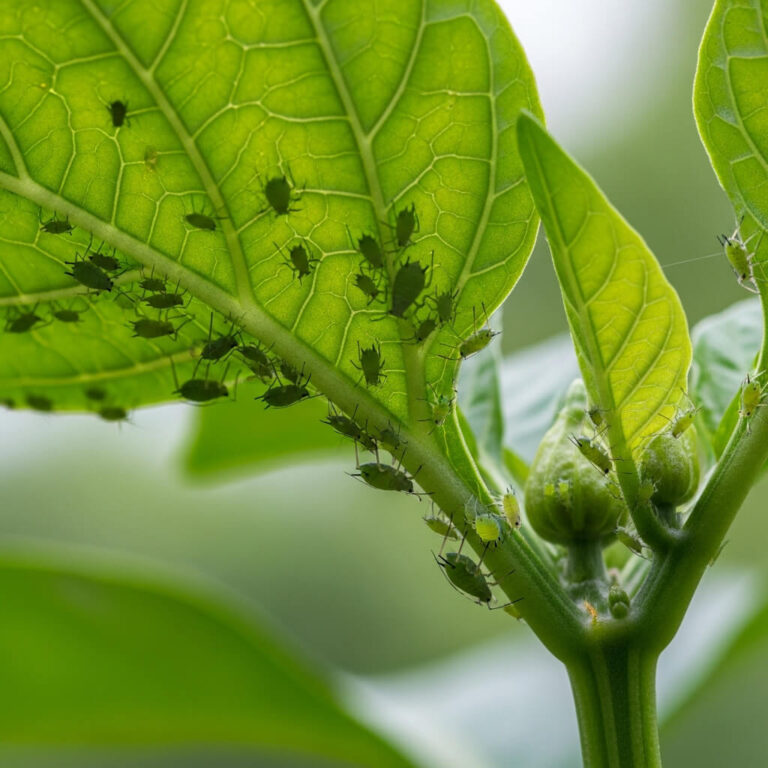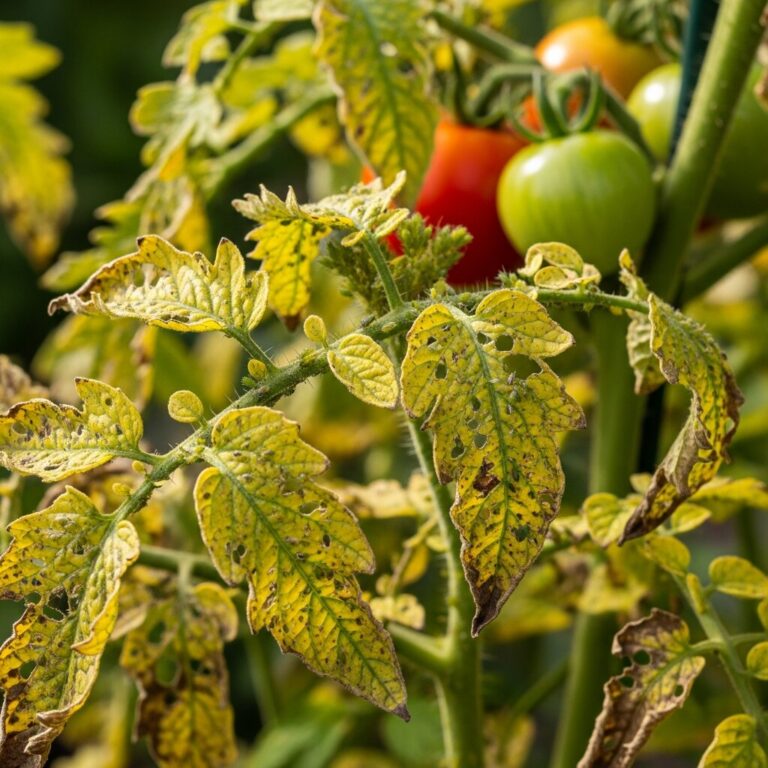
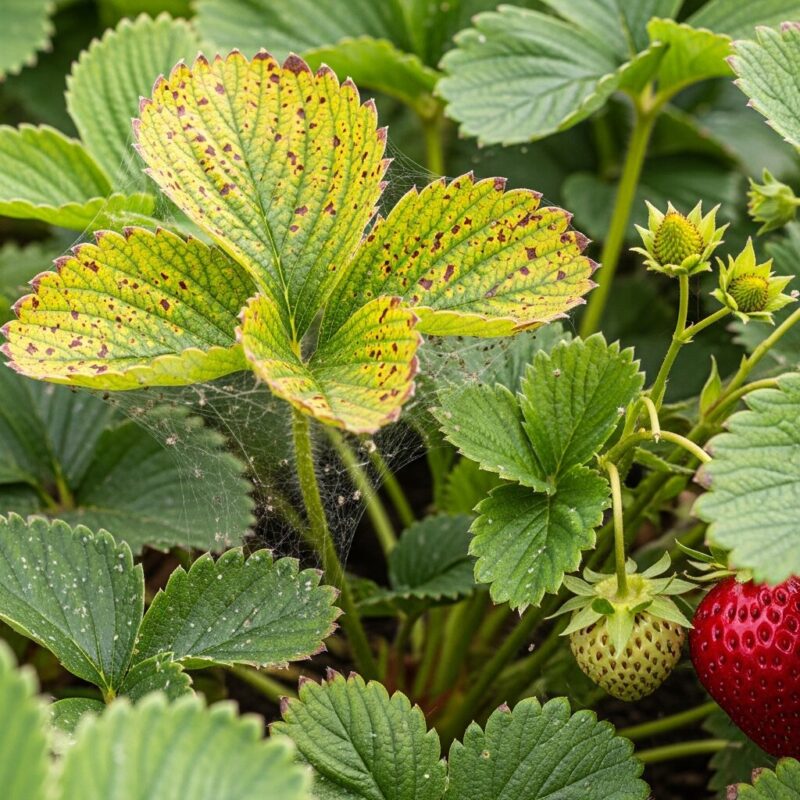
Here is a great deep-dive on the two-spotted spider mites by Dr. Tom Dykstra: https://www.youtube.com/watch?v=nJ3hAdDdn1U
Spider mites don’t show up because you got unlucky. They show up because, at a biological and chemical level, your plants are signaling that they’re easy to feed on.
That’s the Mycogasm.bio starting point:
Vertical Health Chain
Microbiome → Plant → Animal → Human
If the foundation (biology) is weak, everything above it declines.
So we don’t start with “what kills mites?” We start with a better question: what conditions are making my plants attractive to mites in the first place?
Because in living systems, resistance is expressed — not sprayed on
Why spider mites explode: the plant is running low on energy
Two-spotted spider mites thrive when plants are metabolically compromised. The most reliable pattern underneath an outbreak is simple:
- Photosynthesis drops
- Plant sugars drop (low Brix)
- Defense chemistry drops
- Sap quality shifts
- Pest pressure rises
In other words, mites are rarely the root cause. They’re a pressure test that exposes weak links in the system.
The Brix / secondary-metabolite connection (what “resistance” actually is)
When plant sugar is low, the plant can’t afford to produce the compounds that make it taste bad, smell bad, or become difficult to digest to pests.
When plant sugar is high, the plant tends to express more of the chemistry growers actually care about:
- Flavor and aroma compounds
- Color and resin/oil quality compounds
- Stress-response and defense compounds (secondary metabolites)
This matters because mites aren’t just “present.” They’re selective. They prefer plants that are:
- Nutritionally inefficient
- Stressed
- Running low defense chemistry
- Structurally weak
Raise plant energy, and the plant stops being a good meal.
The environmental triggers: hot + dry + inconsistent water rhythms
Spider mites love the conditions that crash plant metabolism:
- Heat spikes
- Dry air
- Drought stress / aggressive drybacks
- Inconsistent irrigation (cycling between extremes)
These conditions don’t just “stress the plant.” They reduce photosynthesis and transport, meaning sugar production and movement fall behind.
When photosynthesis collapses, Brix collapses. And when Brix collapses, defense expression collapses with it.
If you’re battling mites, environmental correction isn’t optional, it’s the first move!
Nutrition is not the same as biology (and mites exploit that gap)
A common setup for recurring mite issues is a plant that’s being “pushed” by nutrition without the biological engine to process it efficiently.
When nutrient delivery outruns biology and structure, you often get:
- Fast growth with weak tissue
- Distorted sap signals
- Reduced mineral balance
- Lower resilience under stress
This is why Mycogasm.bio doesn’t treat inputs as the solution.
Plants aren’t fed directly — biology feeds plants. Microbes cycle nutrients. Fungi extend roots. Bacteria unlock minerals. Biology is the engine. And biology has to be directed.
Calcium: structure, transport, and tissue quality (not a “deficiency checkbox”)
Calcium is one of the most misunderstood levers in plant health. It’s not just “another nutrient.” It’s structural and functional:
- Cell wall integrity
- Tissue firmness and quality
- Transport efficiency
- Stress tolerance
Many “calcium problems” aren’t solved by adding calcium once. They’re solved by restoring the system that moves and uses calcium: root function, biology, water rhythm, and metabolism.
When calcium is not being used correctly, plants often become softer, more stressed, and more vulnerable — conditions that mites take advantage of.
The Mycogasm.bio approach: fix the system, not the symptom
A mite outbreak is usually a combined signal of:
- Metabolic weakness (low photosynthesis / low Brix)
- Environmental stress (heat, dryness, inconsistent irrigation)
- Undirected or weak microbiome (low competition, low coordination)
- Mineral imbalance (especially calcium movement / structure)
So the response shouldn’t be a “one product fix.” It should be a system correction using the Mycogasm product stack as intended — synergistically.
A biology-first mite pressure protocol (using the Mycogasm product system)
Step 1 — Attenuate the environment (stop the metabolic crash)
Before anything else:
- Stabilize watering and avoid harsh drybacks that crash photosynthesis
- Reduce heat load and extreme VPD swings
- Keep the root zone consistently functional (not swinging between extremes)
Goal: steady photosynthesis → rising sugar → rising defense chemistry.
Step 2 — Build & direct the microbiome (Mycogasm Biostimulant = control layer)
Mycogasm is the direction layer, especially when plants are weak, roots are compromised, or the system is too sterile or biologically “random.”
Label directions (Mycogasm Biostimulant  ):
):
- Mix 1 mL per 10–20 gallons of water or nutrient solution
- If applying with every watering, use the lower rate (1 mL per 20 gal)
- Shake very well before use
- If in coco: increase calcium significantly
Why it matters for mites: a directed microbiome supports nutrient cycling, root signaling, and rhizosphere stability — conditions that help plants climb out of the low-energy zone mites prefer.
Step 3 — Boost metabolism + defense expression (Armor = metabolic boost )
Armor supports photosynthesis and plant vigor so the plant can actually express resistance.
Label directions (Armor):
- Shake well before use
- Mix 1–2 tablespoons per gallon of distilled or rain water
- Do not use tap water
- Caution: contains boron (use carefully on boron-sensitive crops)
Armor isn’t a pesticide or biocide. It’s designed to help the plant become resistant.
Step 4 — Rebuild structure + quality (Cal-Pack+ and Russian Thistle Ferment)
This is where you stop getting “soft plants” that fold under stress.
Cal-Pack + (Soluble Calcium Supplement):
- Dry: 1–3 g per sq ft at planting or during season
- Liquid: 1–3 g per gallon applied to root zone
- Label: Calcium (Ca) 25%
Russian Thistle Ferment :
- Shake very well before use
- Mix 2–5 mL per gallon and apply as a root drench
Why pair them: calcium must be usable and biologically handled. Cal-Pack+ supplies the structural mineral; Thistle supports the biological side of quality and calcium utilization.
Triage vs. prevention (don’t confuse them)
If you’re in an active outbreak (triage)
Your fastest wins usually come from:
- Stabilizing the environment (heat / dryness / water rhythm)
- Supporting metabolism (Armor)
- Rebuilding directed biology (Mycogasm)
- Restoring structure and calcium function (Cal-Pack+ and Russian Thistle Ferment)
If you want to stop outbreaks from happening (prevention)
Build a system where mites struggle to establish:
- Keep plants out of the low-Brix danger zone
- Don’t push nitrogen without mineral and biological balance
- Treat calcium as structure / transport, not a last-minute patch
- Maintain directed biology over time (don’t “one-and-done” the microbiome)
The takeaway
Spider mites are rarely a random pest problem. They’re a system message.
When biology is weak and metabolism is crashing, mites thrive. When the microbiome is directed, photosynthesis is supported, and structure is built correctly, the plant stops advertising itself as food.
Products don’t grow plants. Biological systems grow plants.
Done Spraying? Grow Plants Mites Can’t Use.
If you want help dialing this in, we offer consultations and training to help you solve spider mite pressure by fixing the system, not just chasing symptoms.
We’ll walk your grow with you (environment, irrigation rhythm, mineral balance, and root-zone biology), identify the limiting factor that’s making plants attractive to mites, and build a clear, repeatable plan using the Mycogasm stack the right way. The goal is simple: teach you how to correct the conditions that create mite outbreaks so you can manage it yourself confidently and consistently.