Everyone wants to talk about killing bugs.
That’s the wrong conversation.
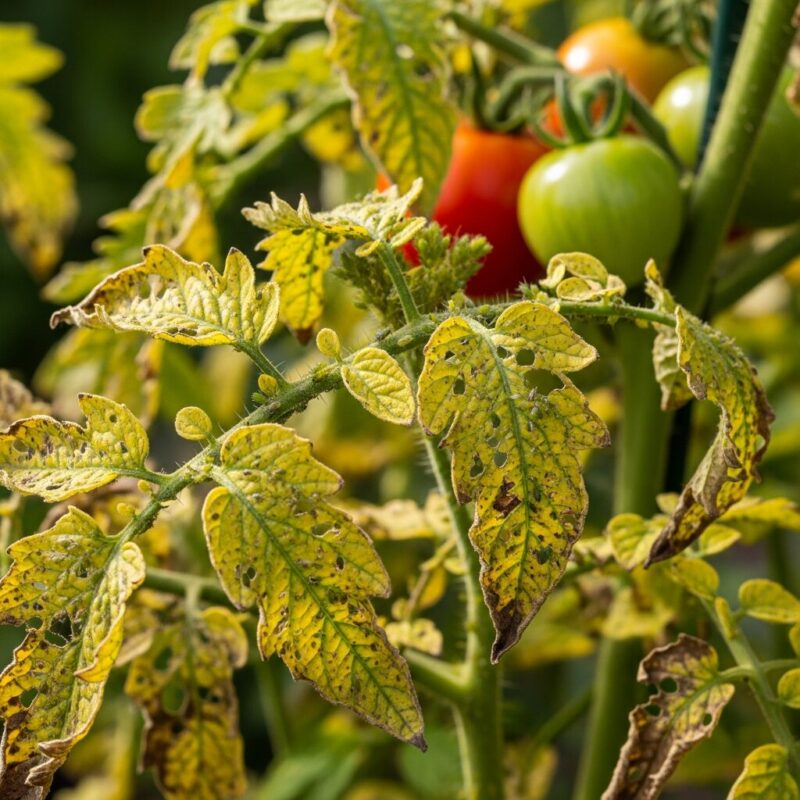
In a properly functioning biological system, pests are not an attack, they are a signal. They are telling you the plant is metabolically weak, the microbiome is underperforming, or mineral flow is broken somewhere in the chain.
Microbiome → Plant → Pest Response.
If the foundation is weak, the plant becomes edible.
Healthy Plants Are Not Food
Let’s be clear:
Insects do not prefer healthy plants, they require weak ones.
The determining factor here is brix (plant sugar levels), which is a direct measurement of photosynthetic efficiency and overall plant metabolism.
- Low brix = excess free amino acids = easy digestion → pests thrive
- High brix = complex sugars + defensive chemistry → pests fail
Each class of insect has a threshold:
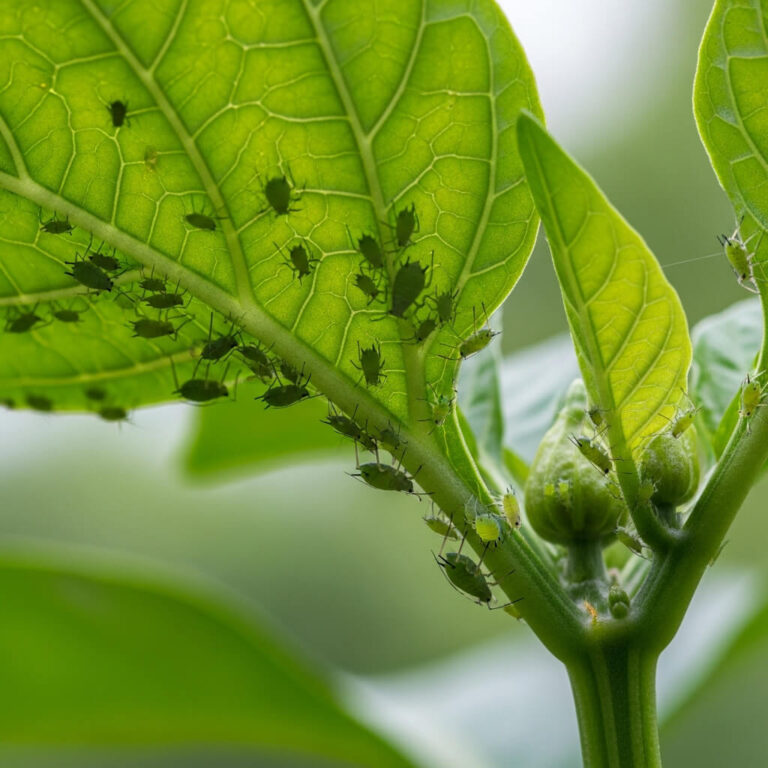
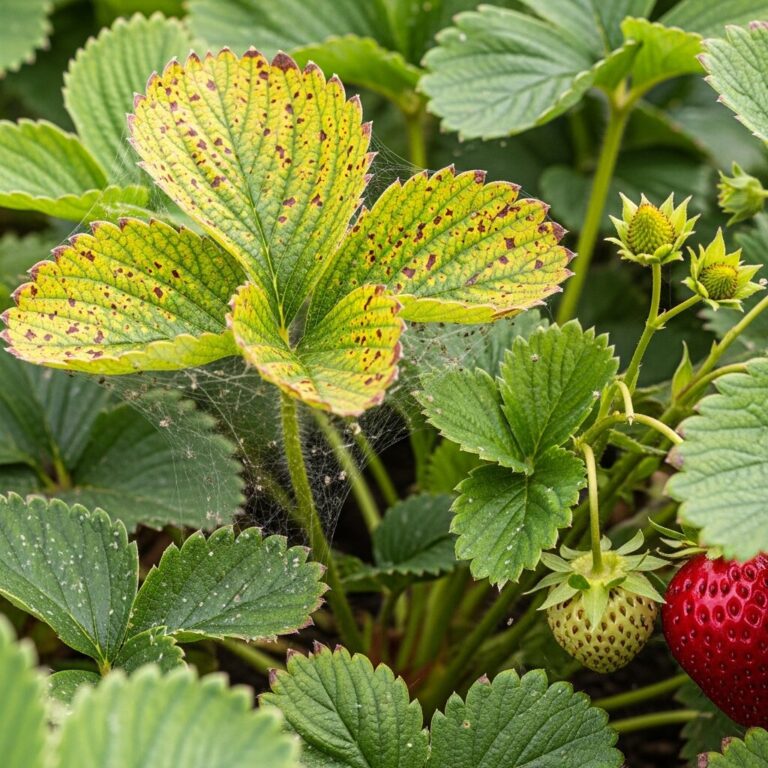
- Sucking insects (aphids, mites, whiteflies) → lowest tolerance
- Biting insects (thrips, beetles) → moderate tolerance
- Chewing insects (caterpillars, grasshoppers) → highest tolerance
When brix rises fast enough, especially in sap feeders, you’ll see “candied aphids”! They literally cannot regulate osmotic pressure and die feeding.
That’s not pest control.
That’s metabolic dominance!
The Real Shift Happens at ~6 Brix
Below ~6 brix, plants are in survival mode.
Above that threshold, something changes: the plant now has excess energy (ATP), and it begins producing secondary metabolites:
- Terpenes
- Phenolics
- Alkaloids
- Aromatic compounds
These are not just “nice-to-have” compounds. They are the plant’s immune system and communication signals.
They:
- Repel insects through scent
- Disrupt feeding behavior
- Create toxicity to herbivores
- Signal beneficial microbes and fungi
This is when plants stop being passive and start defending themselves.
Structure: The Physical Barrier
Even with high brix, structure matters. Two key elements:
- Calcium → builds strong cell walls, regulates transport
- Silica → reinforces tissue, increases toughness
Together they:
- Increase pectin formation
- Reduce digestibility
- Physically block feeding and pathogen entry
A soft plant is an invitation. A structured plant is resistance.
Biology: The Missing Layer Most People Ignore
You cannot separate plant health from microbiome health.
A diverse, active microbiome:
- Cycles nutrients into plant-available forms
- Competes with pathogens
- Supports root signaling and uptake
- Stabilizes plant metabolism
And when needed, biology can provide transitional protection:
- Beauveria bassiana
- Metarhizium anisopliae
- Trichoderma spp.
These aren’t “sprays.” They are living systems that:
- Infect and suppress pest populations
- Disrupt egg cycles
- Reinforce ecological balance
Biology works best when the plant is already moving toward strength. It’s not a crutch, it’s a bridge.
Minerals Drive the Entire System
Photosynthesis — and therefore brix — is mineral-driven. If these are off, everything collapses:
- Magnesium → chlorophyll core
- Manganese → photosystem function
- Boron → sugar transport
- Sulfur → enzyme function
- Molybdenum & Cobalt → nitrogen metabolism
Then:
- Phosphorus → ATP + sugar synthesis (often present, but locked without biology)
- Potassium → sugar movement and regulation
No mineral balance = no energy. No energy = no defense. No defense = pests.
The Mycogasm Approach (System, Not Spray)
We don’t treat pests. We remove the conditions that allow them to exist.
Biostimulant  (Control Layer)
- Builds and directs microbial activity
- Unlocks nutrients and stabilizes the rhizosphere
Armor (Foliar Metabolic Boost)
- Increases photosynthesis and brix
- Accelerates transition into defensive metabolism
Cal-Pack + and Russian Thistle Ferment (Structure + Calcium Biology)
- Strengthens cell walls
- Improves calcium utilization and fruit integrity
Together, this system:
- Raises brix consistently
- Increases secondary metabolite production
- Builds structural resistance
- Stabilizes the microbiome
The Target
Stop thinking “acceptable damage.” Start thinking:
Brix > 12 at the leaf.
At that level:
- Sap feeders fail
- Chewers lose interest
- Disease pressure drops
- Plant expression increases
You don’t need to fight pests. You need to build a plant they cannot use.
Final Truth
Pests are not the enemy. They are the consequence of a broken system.
Fix the biology. Balance the minerals. Increase plant energy.
And the problem solves itself.
Stop Chasing Symptoms, Start Mastering the System
If you are tired of playing “pest whack-a-mole” and want to stop relying on expensive, toxic inputs that only mask deeper issues, it’s time to change your perspective. Heber Hall doesn’t just provide products; he provides the blueprint for biological mastery.
Through personalized consultations and deep-dive training, Heber helps you move past “just adding microbes” and into Systemic Orchestration. You will learn how to:
- Diagnose the Root Cause: Identify the specific mineral or biological gaps allowing pests to take hold.
- Master the Tools: Learn exactly how to use Biostimulants and Armor to manipulate plant brix and secondary metabolism on demand.
- Build Autonomy: Develop the skills to read your plants, monitor your brix levels, and adjust your biological “engine” so you can prevent issues before they ever appear.
Every grow is a unique living system. Heber provides the technical expertise and the biological worldview needed to help you treat the issues yourself and build a resilient, high-performance environment that defends itself. Ready to stop reacting and start directing? Book a consultation and start your journey toward biological independence.