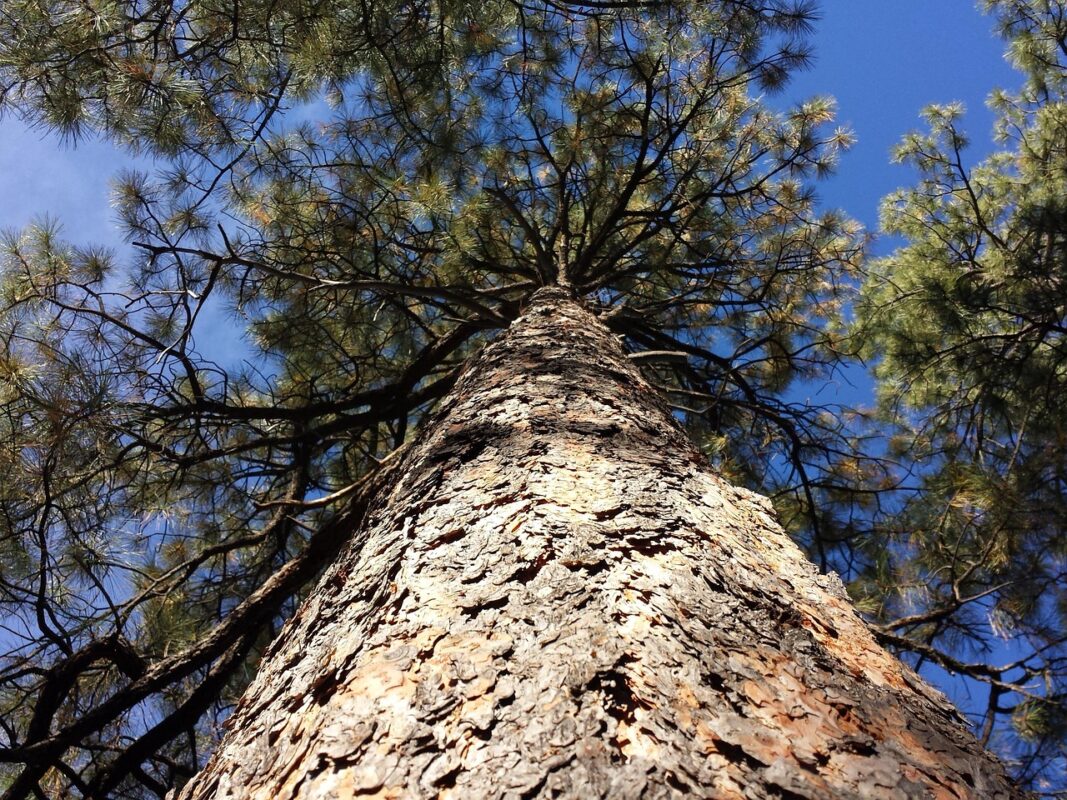
Bark beetles aren’t the root problem — they’re the signal!
Across the White Mountains and Mogollon Rim in Arizona, we’re seeing widespread pine mortality, increased fire risk, and declining forest resilience. The standard response has been chemical suppression, but that approach treats symptoms — not the system.
If the microbiome is weak, everything above it declines. This isn’t just an insect outbreak, it’s a biological system failure.
The Real Problem: Weak Trees Invite Attack
Bark beetles target stressed trees.
Low sap pressure, low brix, poor mineralization, and weak microbial relationships create the perfect entry point. Healthy trees regulate themselves.
When tree metabolism is strong:
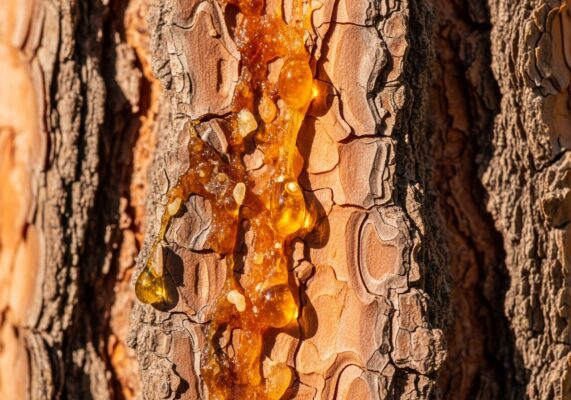
- Resin production increases (natural insect defense)
- Secondary metabolites rise (repel pests and pathogens)
- Microbial partners protect roots and vascular systems
Biology drives resistance — not chemicals.
A Proven Biological Countermeasure
There is a natural, field-tested method that works with the ecosystem instead of against it. At the core are entomopathogenic fungi:
- Beauveria bassiana
- Metarhizium anisopliae
- Trichoderma spp.
What makes them effective:
- 80% control using Beauveria bassiana alone
- 90% control when combined with additional fungi
- Self-propagating — infected beetles spread fungi to others
- No resistance development like chemical pesticides
Infected beetles continue spreading the fungi for days, creating a cascading suppression effect across the population!
This is not eradication. This is biological balance.
The Missing Layer: Soil & Tree Biology
Most approaches stop at killing the beetle, which is why the problem returns. The real system:
Microbiome → Tree Health → Insect Pressure → Fire Risk.
If you don’t fix the microbiome, you don’t fix the forest.
Step 1: Restore the Environment (Gypsum Layer)
Many forest soils in Northern Arizona suffer from compaction, poor water infiltration, mineral imbalance, and limited calcium mobility.
Gypsum (calcium sulfate):
- Improves soil structure
- Enhances water movement
- Helps deliver calcium into the root zone without raising pH
- Creates conditions where microbes can establish
This is not feeding the tree, it’s making the soil functional so biology can operate.
Step 2: Build & Direct the Microbiome (Mycogasm System)
Using a biostimulant system (Mycogasm ):
):
- Increases microbial diversity and density
- Breaks down biofilm and microbial waste
- Stimulates mycorrhizal communication
- Improves nutrient cycling
Result: trees regain access to nutrients already present in the soil.
Step 3: Strengthen Tree Structure (Calcium System)
Using Cal-Pack+ and Russian Thistle Ferment:
- Strengthens cell walls and vascular systems
- Improves water transport and stress tolerance
- Enhances biologically active calcium utilization
Result: trees become physically more resistant to infestation and environmental stress.
Step 4: Increase Energy & Defense (Armor Foliar System)
Using Armor foliar applications:
- Increases photosynthesis and brix
- Feeds the microbiome through carbon flow
- Boosts terpene and resin production
Result: trees become biologically unattractive to bark beetles.
System Outcome
When combined:
- Beetles are biologically suppressed
- Trees increase internal defense
- Soil microbiome stabilizes
- Forest resilience improves year over year
This is system restoration — not symptom control.
Scalable Application: From Homes to Forest Systems
For Homeowners & Landowners
- Soil drench: biology + fungi
- Gypsum where structure is compromised
- Foliar sprays to increase brix and defense
- Calcium system for recovery
Results: reduced beetle pressure quickly, improved tree vigor, and long-term resistance.
For Forestry Departments & Large-Scale Use
- Aerial or ground fungal inoculation
- Soil restoration (gypsum + biology)
- Target stressed zones early
- Build ongoing biological programs
Once established, biology continues working with minimal input.
Fire Risk Reduction Through Biology
Dead trees create fuel loads. By restoring hydration, structure, and a living canopy, we reduce mortality, dry biomass, and fire intensity.
Healthy forests burn differently.
Consultation & Training with Heber Hall
This system is not about products — it’s about understanding how to diagnose and build living systems.
Heber Hall offers consultation and hands-on training for:
- Homeowners managing individual properties
- Land managers and arborists
- Forestry departments and large-scale operations
Training includes:
- Diagnosing tree and soil health (not just symptoms)
- Identifying limiting factors in the system
- Proper integration of fungal inoculants with biostimulants
- Application strategies for small-scale and large-scale environments
- Building repeatable biological programs that improve over time
The goal is not dependency, it’s capability. Once you understand the biology, you don’t need to keep reacting. You can stay ahead of the problem.
Why This Outperforms Chemical Approaches
Chemical approach:
- Short-term suppression
- Resistance develops
- Weakens ecosystem
- Requires repeat use
Biological system:
- Self-replicating
- Strengthens over time
- Improves entire ecosystem
- Addresses root cause
Field Results in Northern Arizona
Successfully applied in Lakeside, Eagar, and the White Mountain regions of Arizona.
Observed:
- Trees returned to full health
- Beetle pressure eliminated
- Surrounding areas improved through biological spread
Supporting Research
- Kreutz et al. (2004): Beauveria bassiana effectiveness
- Kreutz et al. (2004): Horizontal transmission between beetles
- da Silva et al. (2025): Synergistic fungal systems
Final Thought
We don’t need stronger chemicals. We need stronger systems.
Bark beetles are not the enemy, they are the indicator. Fix the biology, and the pressure disappears.
Products don’t restore forests. Biological systems do.
Want this dialed in for your land?
Heber Hall offers consultations and hands-on training for homeowners, arborists, and forestry teams ready to build a biological program that improves year over year.